How It Works

ALH focuses on food service and bulk produce
Most CEA facilities are corporately-owned, vertically-integrated, and target grocers with branded clam shell products.
This market is crowded and highly competitive.
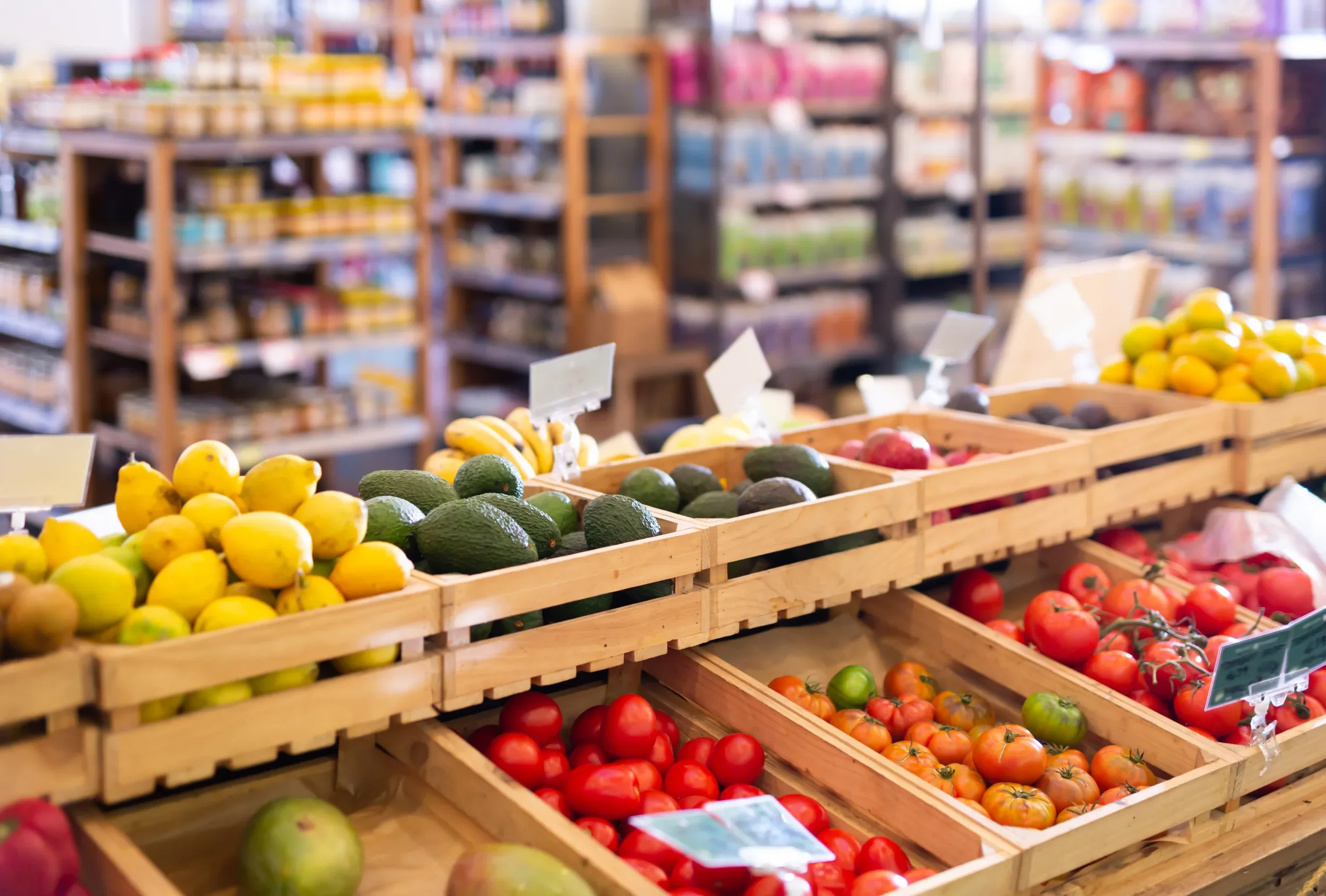
American Local Harvest targets food service – large buyers needing a dependable and consistent year-round supply of fresh produce at price points at or near parity to current suppliers.
How It’s Locally Sourced
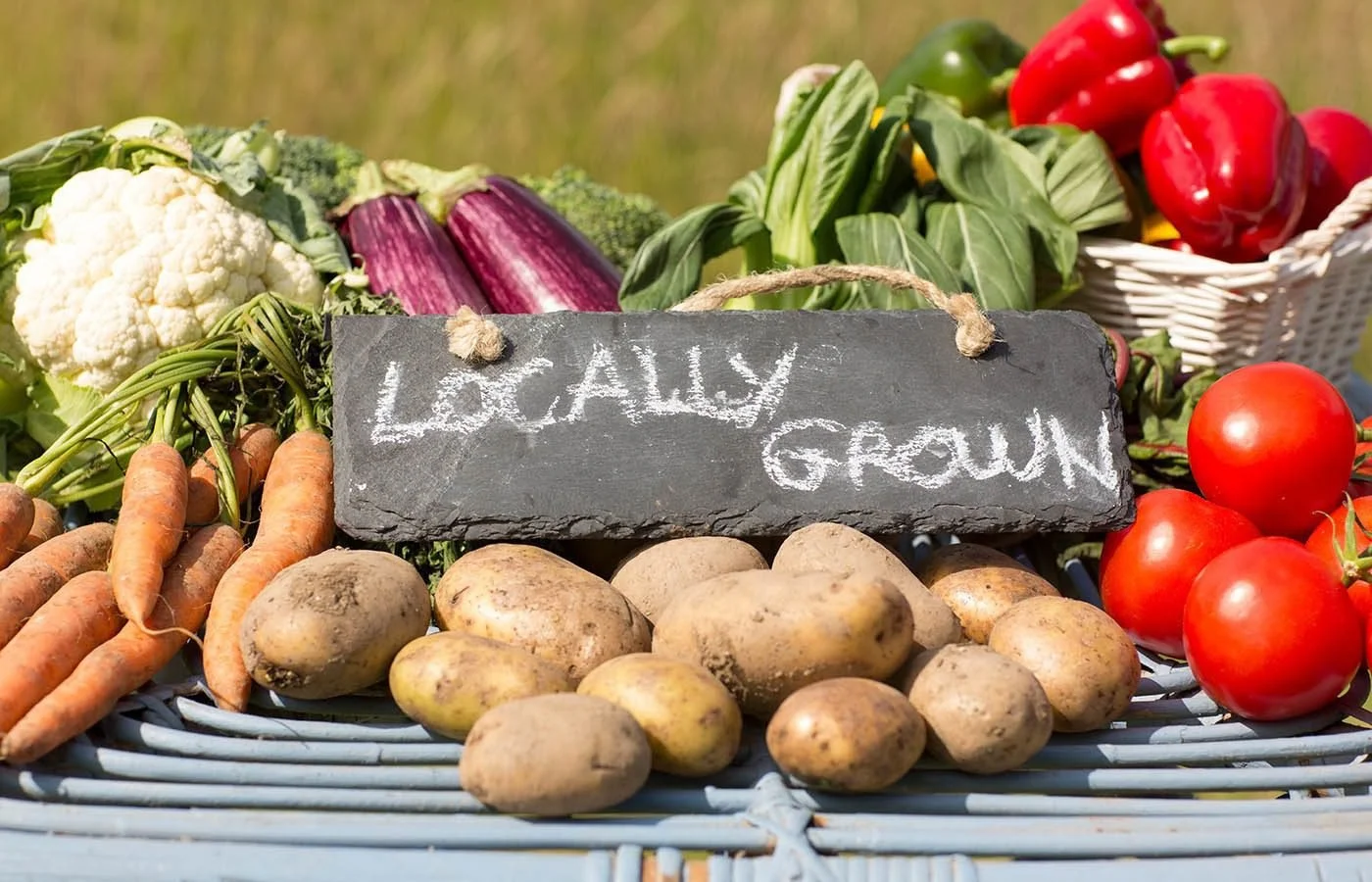
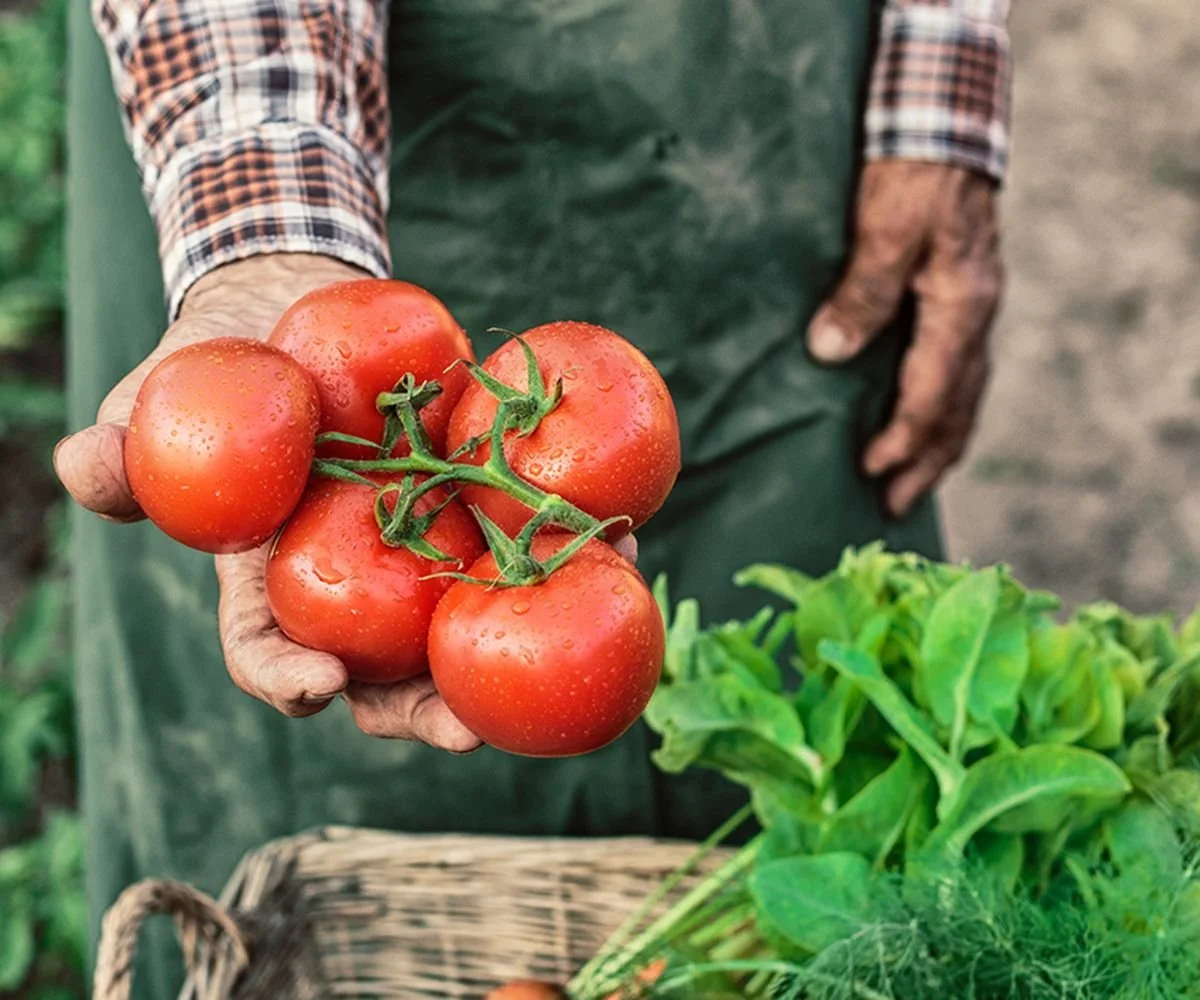
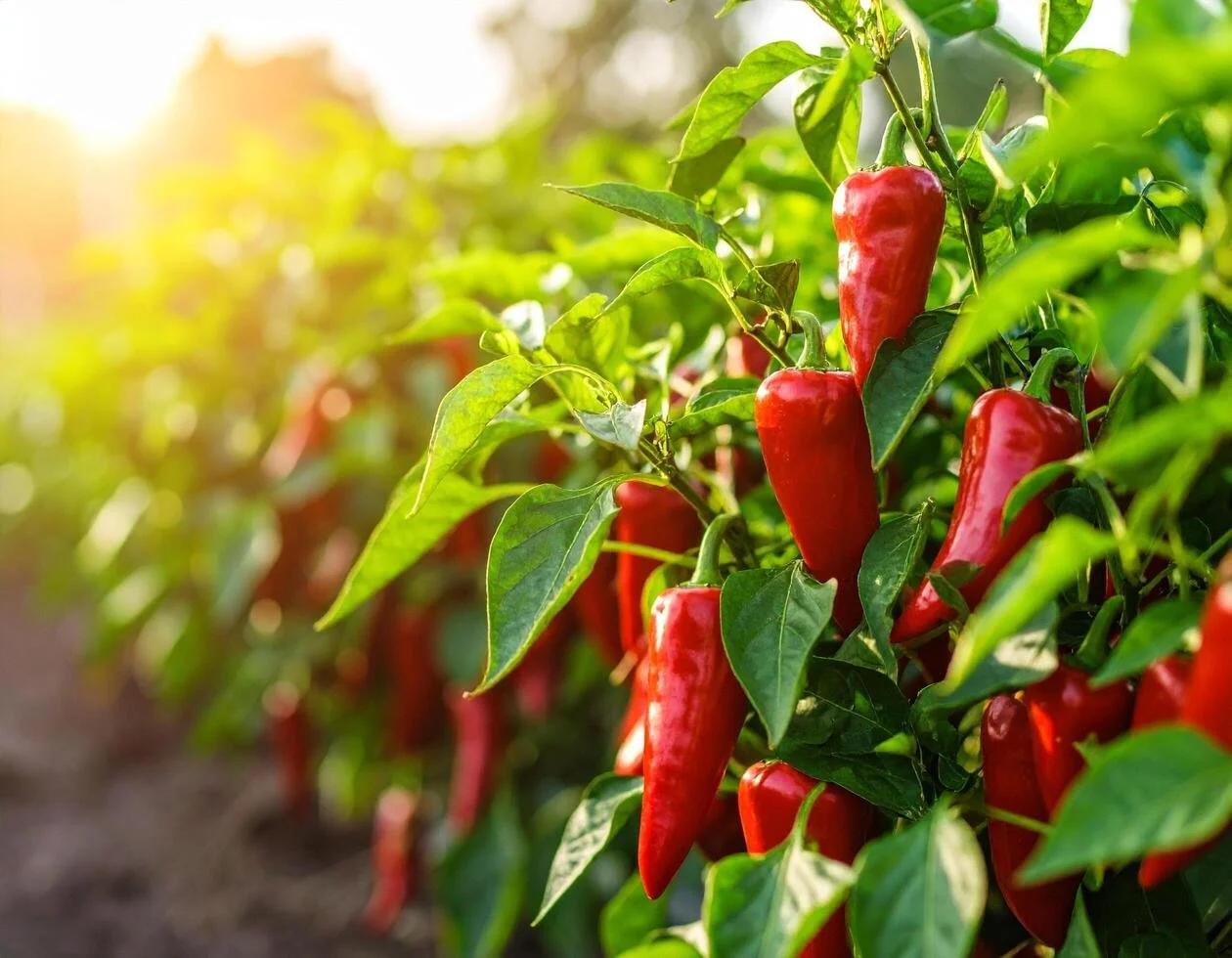
Local field growers
(in-season for 2 months)
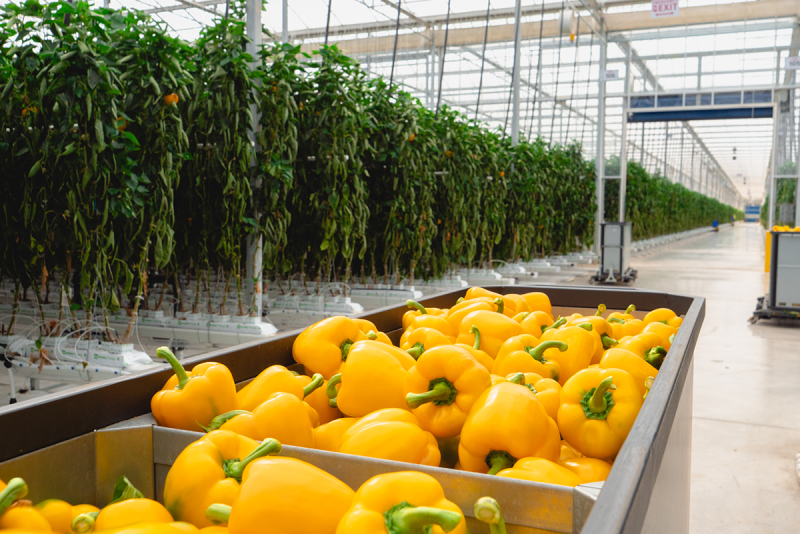
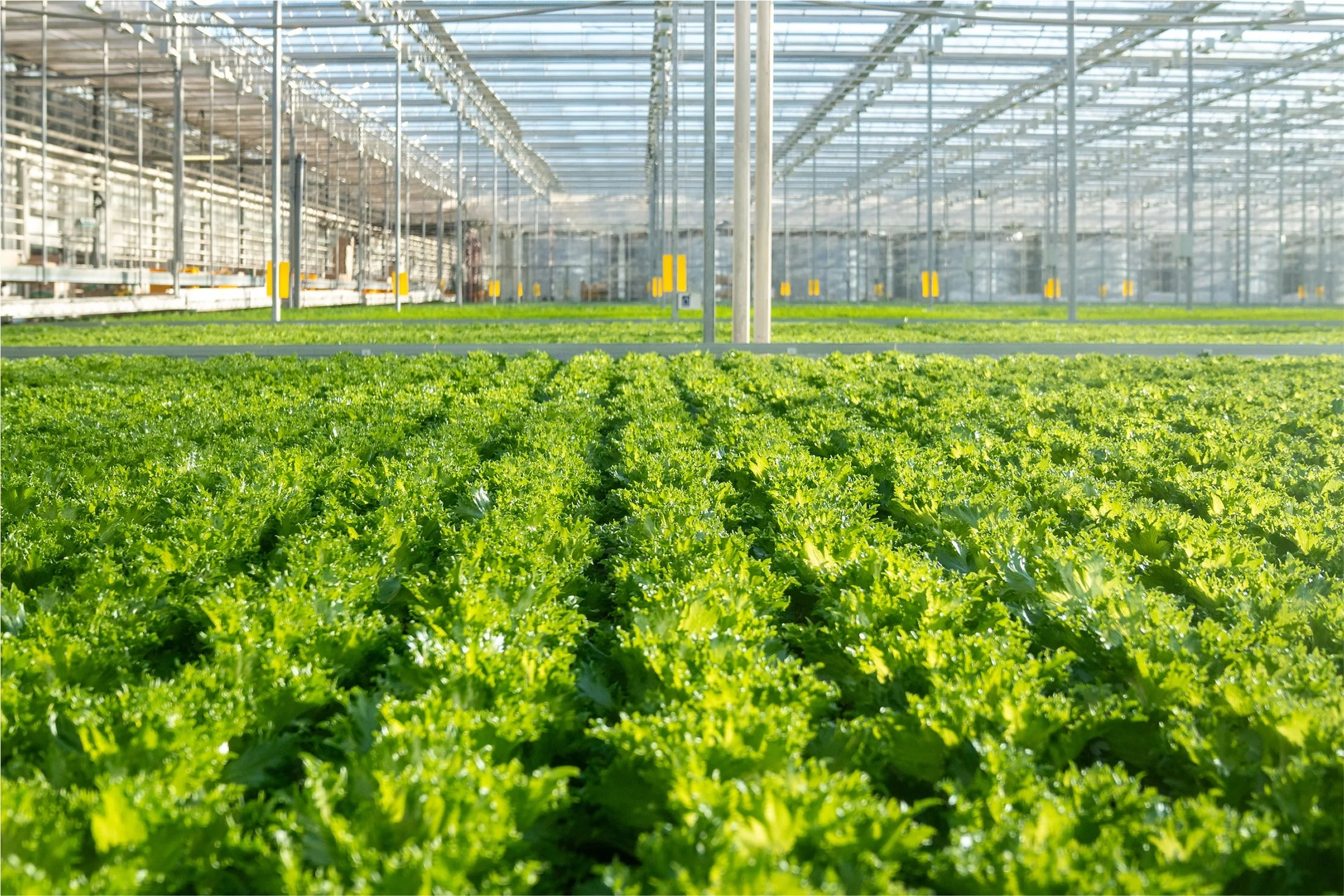
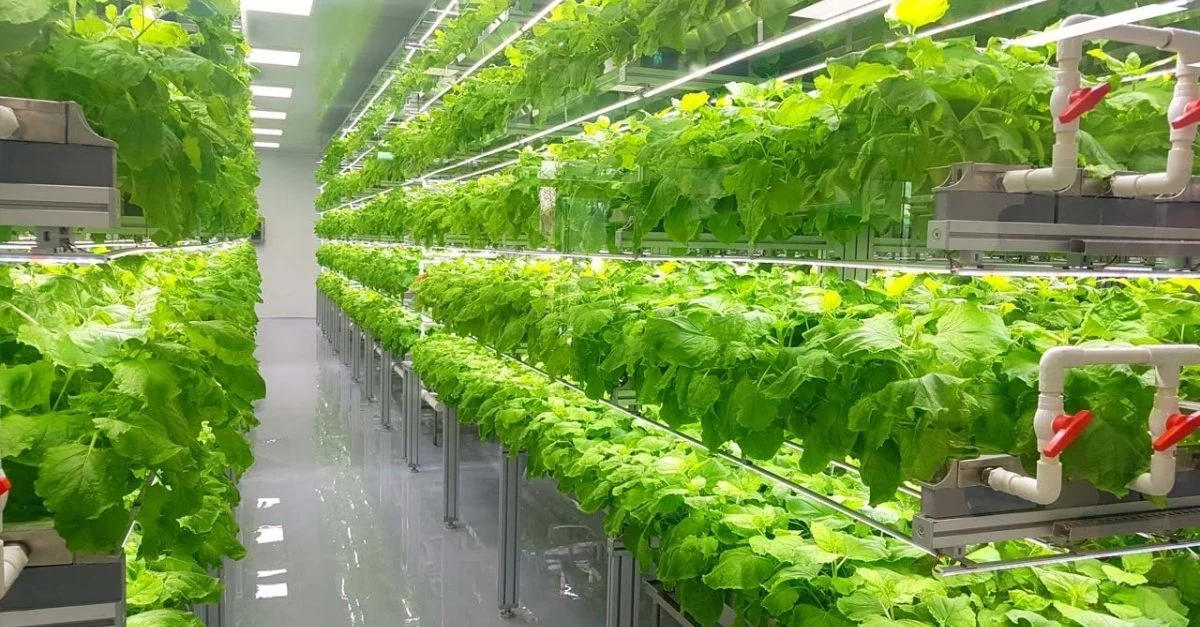
Regional, ALH-operated CEA farms
(in-season for 10 months)
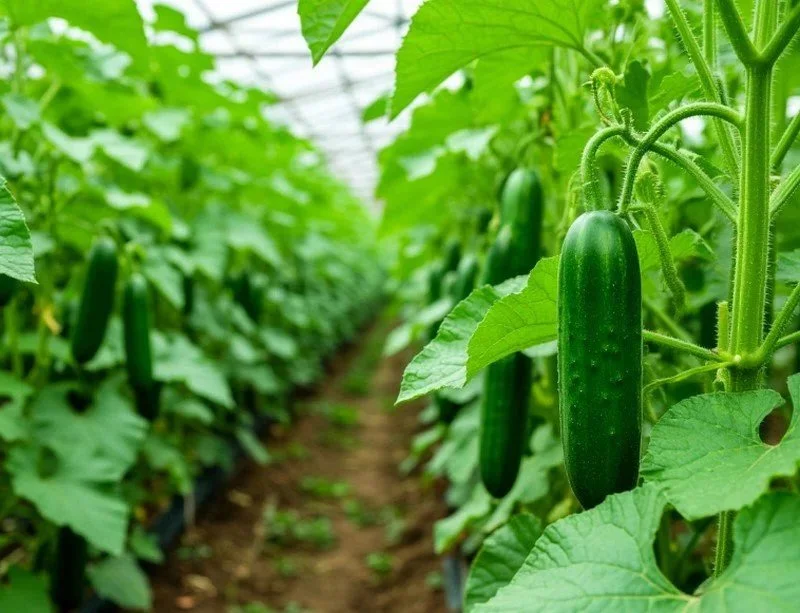
Regional corporate CEA excess inventory or #2 graded (year-round)
Our Role in the Food System:
American Local Harvest sits between growers and institutional buyers. Our competition is NOT a single company. It is the existing system: fragmented farms, long-distance supply chains, and existing buyer habits. By building regional infrastructure and reliable supply networks, American Local Harvest helps local farmers compete and win!
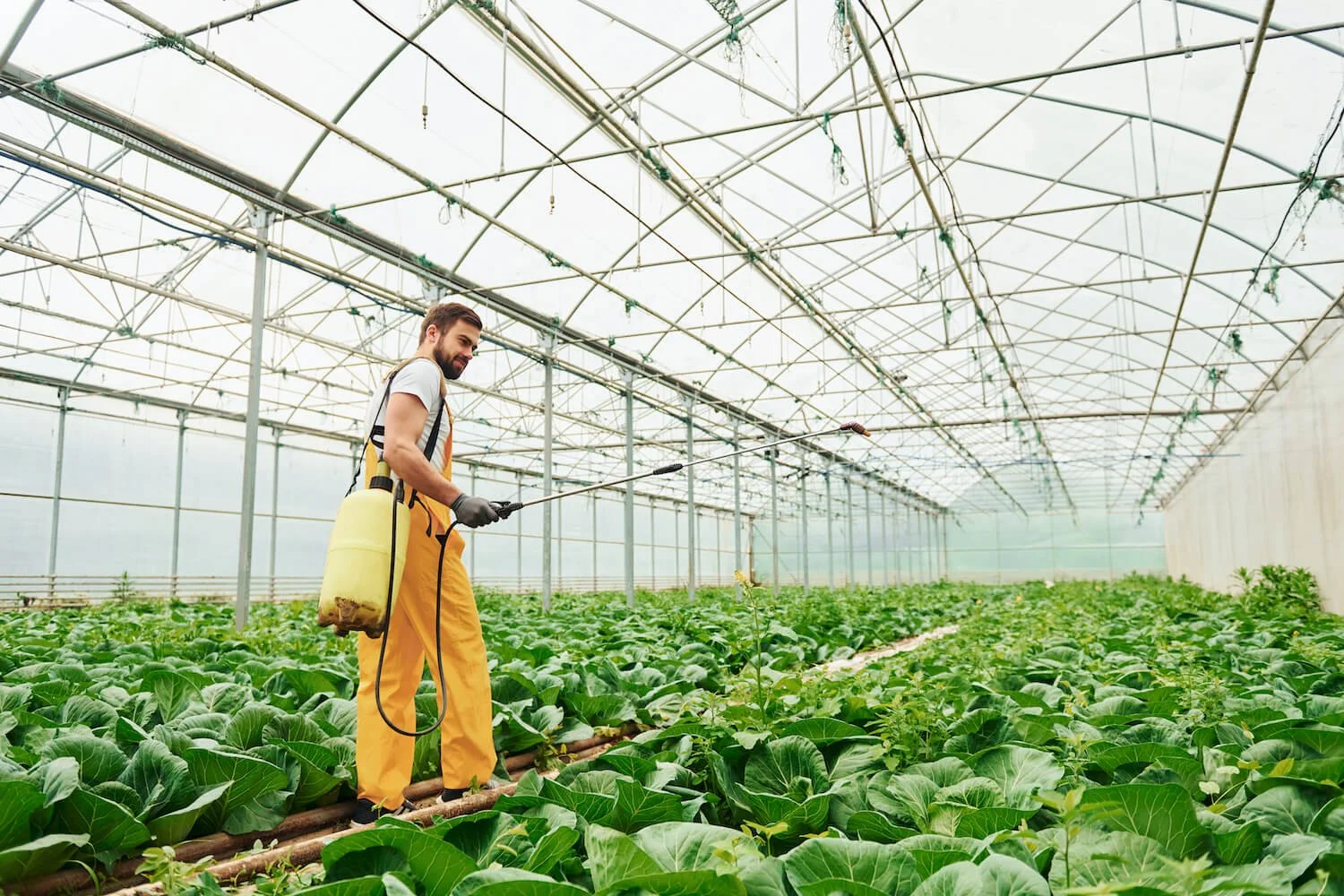
Greenhouse production
Propagation
Packing
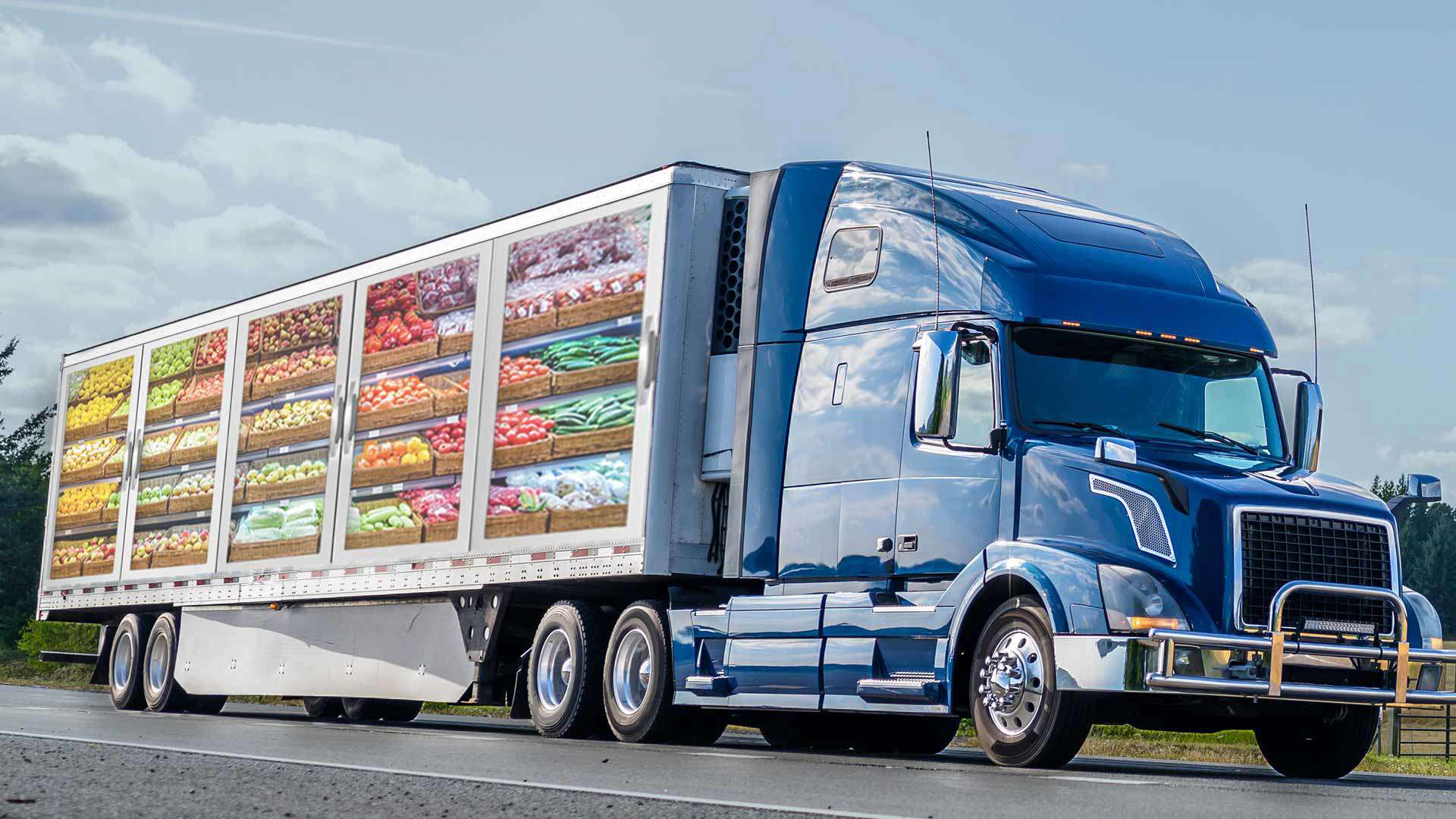
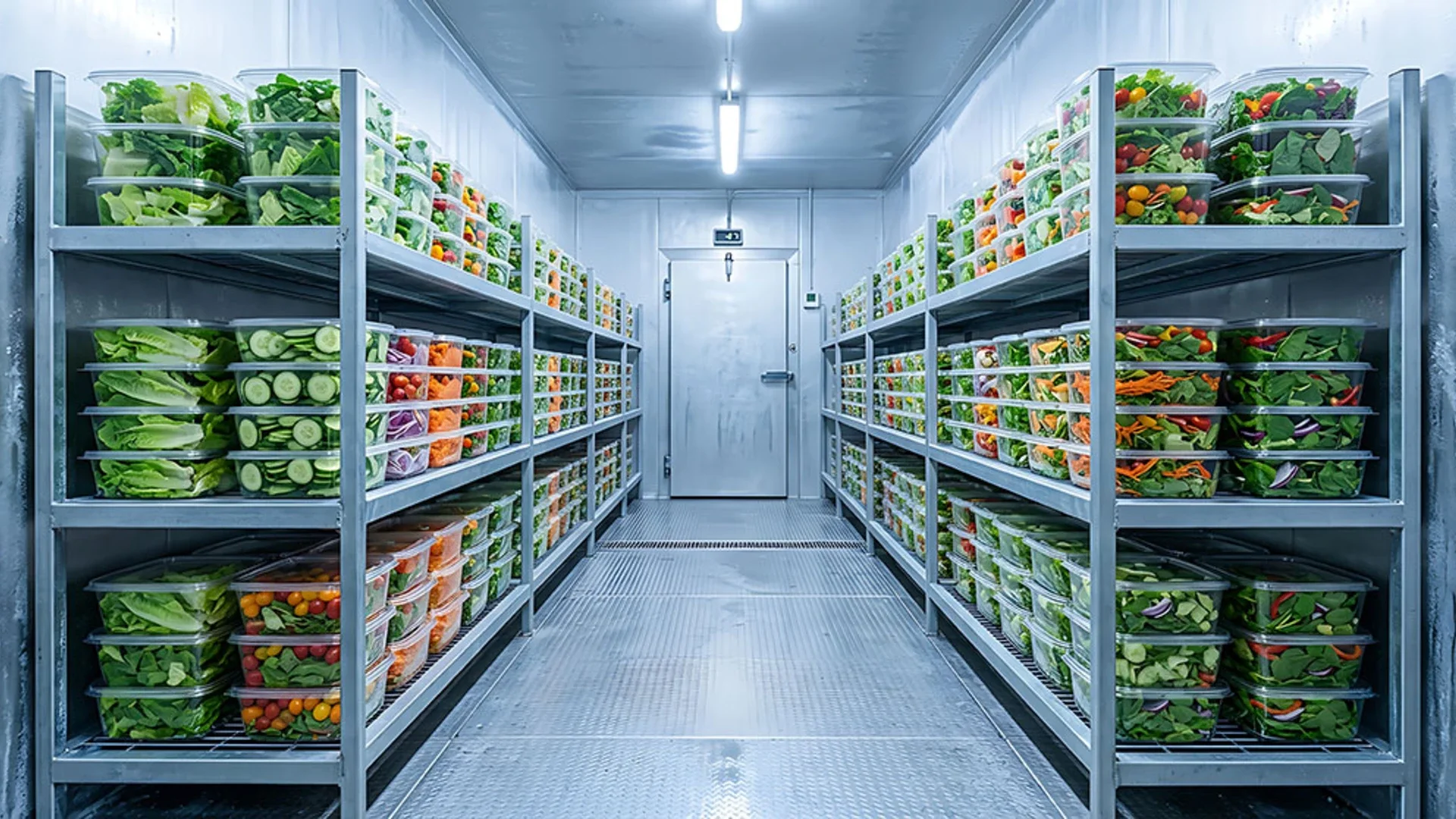
Sophisticated distribution and cold storage
Quality Control
Processing (sliced, mixed)
Sales, marketing, PR
Leasing and Financing
A New Regional Ag Infrastructure
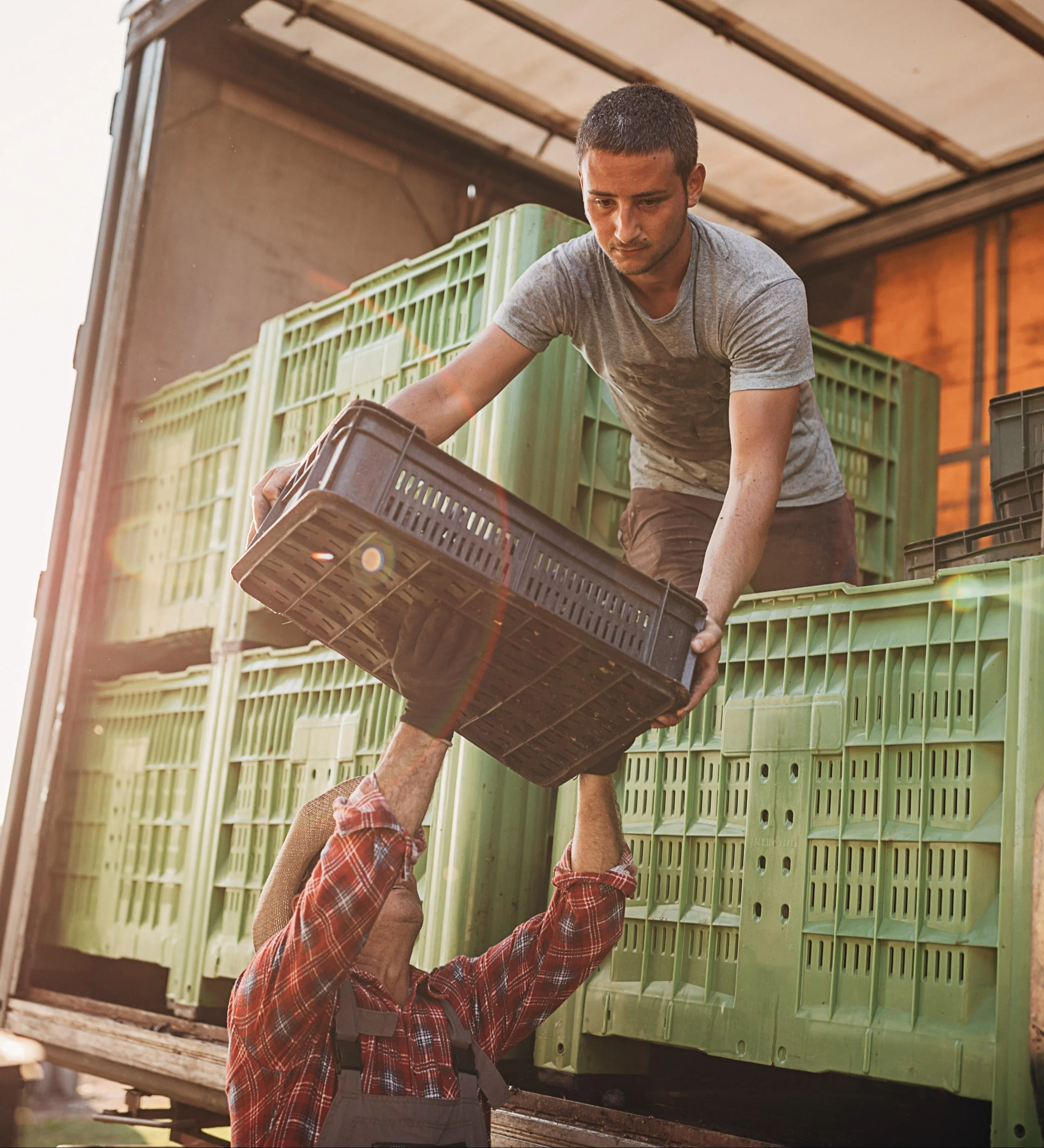
Market access for farmers – commercial-scale buyer channel that removes the burden of selling directly at farmers markets or roadside stands.
Aggregation for distributors – instead of dozens of farms, distributors can source regional produce through one platform.
Utilization of surplus production – corporate CEA enjoys a profitable outlet of their excess #1 and #2 grade products.
Protection from cheap imports – strong regional supply chains allows local farms to gain resilience against volatile global pricing.
Reliable offtake agreements – growers gain confidence entering or expanding CEA production when a committed buyer exists.
Revitalization of rural communities – more local crop production means jobs, training, and ancillary businesses (maintenance, insurance, etc.)